World · Echonomia Post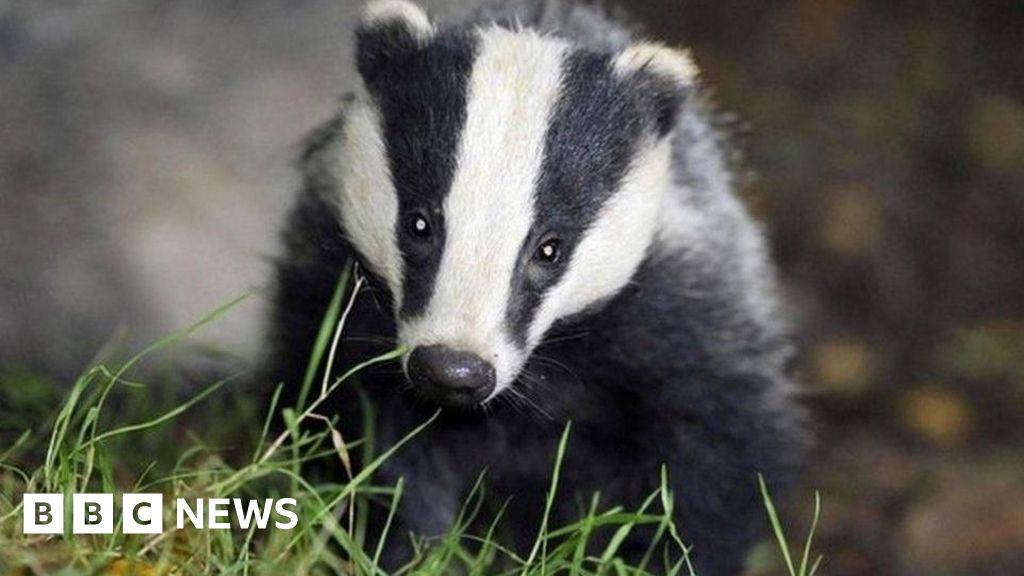
Gaps in evidence on vaccinating badgers against bovine tuberculosis (TB) have been highlighted by researchers. A team from the British Ecological Society's Wales policy group, along with staff from Cardiff and Aberystwyth universities, notes that these gaps reduce the effectiveness of vaccination as a tool to combat the disease. Vaccination is part of a broader programme to eradicate bovine TB in Wales, but it remains controversial.
Researchers call for increased monitoring of the vaccination's impact, a review of existing evidence, and stronger collaboration with farmers to maximize programme effectiveness. Key questions remain: how many badgers are being vaccinated, what impact vaccination has on disease levels in cattle, and how confidence in vaccination can be improved among farmers and veterinary professionals.
Dr Niall McKeown, a lecturer in the department of life sciences at Aberystwyth University, emphasizes that badger vaccination should not be considered a standalone solution. While BCG vaccination protects badgers, evidence that operational vaccination programmes reduce disease in cattle remains limited. He stresses that any cattle-level benefit depends on sustained and extensive vaccination coverage alongside effective cattle controls. Better-targeted, measured, and evaluated vaccination is needed.
Researchers propose using non-invasive genetic monitoring, sett surveys, camera traps, and movement data to estimate local badger numbers, assess vaccination coverage, and identify gaps. The Welsh government is renewing its approach to eradicating bovine TB, focusing on three main elements: cattle, people, and wildlife. This strategy will be evidence-based and science-led, ensuring value for money.
Last month, Llyr Gruffydd, the minister responsible for agriculture, highlighted the need to explore a range of solutions, noting that the situation varies from farm to farm. Two projects aimed at eradicating bovine TB were extended, initially as pilots in Pembrokeshire and parts of north Wales, with no intention to expand further. A new board was established in August 2024 to coordinate efforts to eliminate the disease.
Source: BBC